Contents
Key Takeaways
- Consistent brushing and flossing help prevent cavities and gum disease.
- Food and beverage choices significantly impact your oral health.
- Professional dental care ensures early detection and better outcomes.
- Replacing dental tools regularly sustains the effectiveness of your routine.
- A healthy lifestyle and tobacco avoidance are vital for oral health.
Maintaining optimal oral health is foundational not only for a great smile but also for your overall well-being. Implementing sound daily habits, supported by advice from a professional dentist, plays a key role in preventing dental problems and maintaining your teeth for life. Oral health affects many aspects of overall health, underscoring the importance of effective hygiene and regular professional guidance.
Proper care throughout each day helps remove bacteria that cause decay and infection, while long-term habits can stave off more serious issues. Dental experts emphasize that small steps, such as using the right toothpaste, maintaining a balanced diet, and making smart lifestyle choices, all contribute to strong oral health. Good habits support not only clean teeth but also reduce the risk of related health concerns. Knowing what steps to take and understanding their importance empowers individuals to be proactive in their dental care.
Understanding when and why to schedule your dentist appointment can also make a meaningful difference in maintaining dental health. Regular appointments help to catch potential issues early on and provide opportunities for tailored professional advice.
Brush Twice Daily with Fluoride Toothpaste
One of the most important habits is brushing your teeth twice every day with fluoride toothpaste. Fluoride actively strengthens tooth enamel and reduces the risk of cavities, making it a crucial ingredient in toothpaste recommended by dental associations worldwide. Brushing removes plaque, a film of bacteria that causes gum disease and tooth decay. Use a soft-bristled toothbrush, and make gentle circular motions to reach all tooth surfaces, including the gumline. For more details on brushing techniques, visit the Mayo Clinic guide on effective brushing.
Floss Daily to Remove Plaque Between Teeth
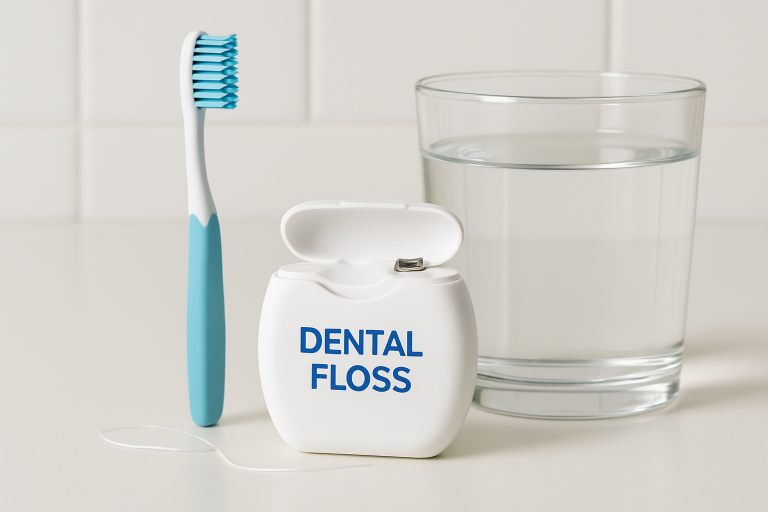
Flossing is essential for cleaning the areas between teeth where toothbrushes cannot reach. Food debris and plaque easily build up in these spots, leading to decay and gum irritation if left unaddressed. Make flossing part of your nightly routine, using gentle motions to avoid gum irritation. If you struggle with traditional floss, try alternatives like dental picks or water flossers, which can be just as effective for certain individuals.
Use Mouthwash for Additional Protection
Mouthwash provides an extra layer of defense by targeting bacteria throughout the mouth, helping to maintain fresh breath and strengthen teeth. Choose a mouthwash with fluoride and antimicrobial properties, free of alcohol, as alcohol-based rinses can be drying. Mouthwash should not replace brushing and flossing, but rather complement them by reaching difficult areas and enhancing overall protection.
Limit Sugary and Acidic Foods and Beverages
Diet is a critical factor in oral health. Sugary foods and drinks feed bacteria in the mouth, producing acids that erode enamel and contribute to cavities. Acidic foods, including citrus fruits and sodas, can wear down tooth enamel. Choose a balanced diet rich in vegetables, whole grains, dairy, and lean proteins to support both oral and general health. For guidance on making healthy dietary choices for your teeth, explore resources from the WebMD oral health section.
Stay Hydrated with Water
Hydration helps maintain a healthy oral environment. Water rinses away food particles, dilutes sugars, and stimulates saliva production. Saliva is your body’s natural defense against acids, helping to neutralize the mouth and prevent tooth decay. Whenever possible, choose water instead of sugary beverages or acidic drinks during meals and snacks. Carrying a water bottle makes it easier to stay hydrated throughout the day.
Replace Your Toothbrush Regularly
Toothbrushes lose their effectiveness when bristles become frayed, and they can even begin to harbor bacteria over time. Replace your toothbrush or toothbrush head (if you use an electric model) every 3 to 4 months, or sooner if you notice wear. This simple step ensures effective cleaning and reduces the risk of bacterial contamination.
Visit Your Dentist Regularly
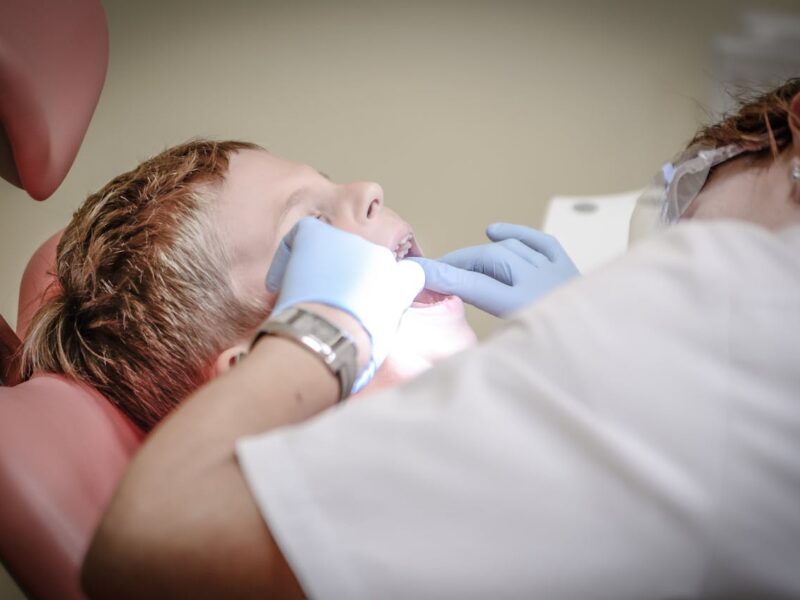
Twice-yearly dental check-ups remain the gold standard for preventive care. Dentists are skilled at detecting early signs of decay, gum disease, and even oral cancers, often before you notice any symptoms. Professional cleanings remove tartar that even the most diligent home routine cannot remove. These visits are also valuable for reviewing your habits, getting personalized recommendations, and discussing any concerns about your dental health.
Avoid Tobacco Products
Tobacco products pose a significant risk to oral tissues. Smoking and chewing tobacco are linked to gum disease, tooth discoloration, and a heightened risk of oral cancers. Quitting tobacco can dramatically improve oral health and lower your risk of long-term complications. Resources for tobacco cessation are available through healthcare providers and organizations such as the Centers for Disease Control and Prevention.
Developing solid oral health habits pays lifelong dividends, supporting a healthy smile and overall well-being. Stay consistent with these daily practices and seek guidance from dental professionals to keep your teeth and gums in great shape for years to come.