
Contents
Table of Contents
- Introduction
- Common Signs of Pool Leaks
- The Bucket Test: A Simple DIY Method
- Dye Testing: Pinpointing Surface Cracks
- Inspecting Pool Equipment for Leaks
- Professional Leak Detection Services
- Preventive Measures to Avoid Future Leaks
- When to Call a Professional
- Conclusion
Owning a pool offers countless hours of relaxation and fun, but water leaks can turn pool ownership into an expensive headache. Early detection and prevention aren’t just a matter of water conservation—they’re also crucial for safeguarding your investment and avoiding unexpected repair bills. Knowing what to look for, using the proper methods at home, and knowing when to call pool technicians can all help you keep your pool watertight and your maintenance budget under control.
Many pool owners believe that water loss is solely due to evaporation, but leaks can also contribute to it, resulting in damage and increased costs. This guide provides DIY tests, equipment checks, and preventive maintenance tips to help keep a pool in top condition.
Professional help also plays a significant role. In cases where leaks persist, engaging a specialized leak detection company can help locate and resolve hard-to-find issues before they escalate into more costly repairs. Regular inspections and timely maintenance not only extend the life of your pool but also ensure a safe and enjoyable experience for everyone. With a proactive approach, pool ownership remains a source of pleasure rather than a financial burden.
Common Signs of Pool Leaks
Early detection is essential for containing both the damage and your costs. Look for these tell-tale warnings:
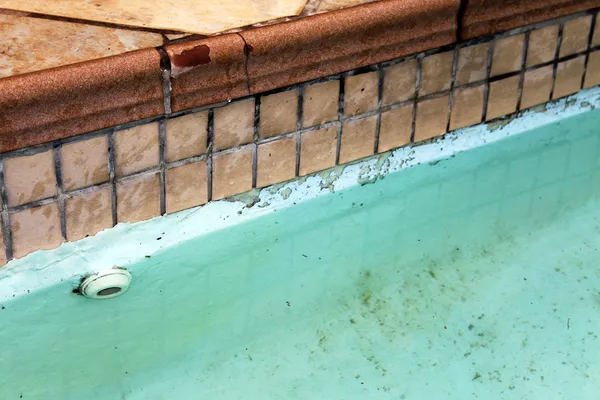
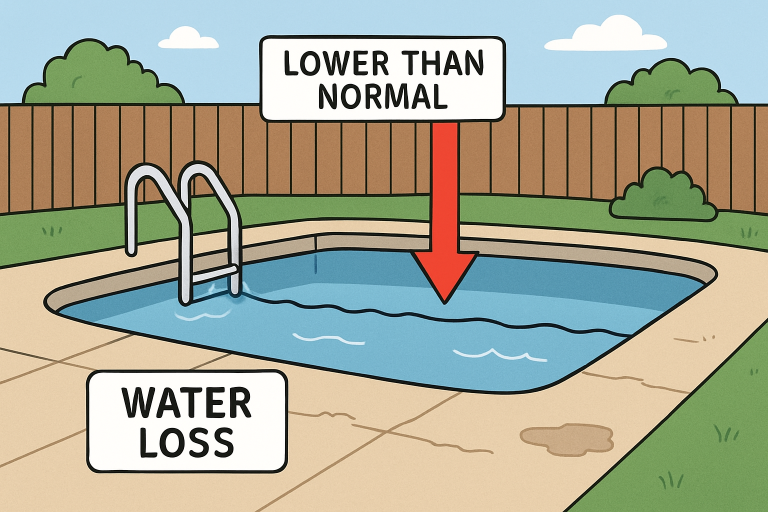
- Unexpected Water Loss: Losing more than 1/4 inch of water in a single day often signals a leak rather than routine evaporation, especially if it continues regardless of the weather.
- Bubbles in Return Jets: The appearance of air bubbles coming through the jets is a classic sign of leaks drawing air into the plumbing.
- Mystery Wet Spots: Soggy soil, damp patches, or eroding ground near the pool deck or equipment pad can indicate an underground leak.
- Visible Structural Cracks: Any crack in the pool’s surface, whether in plaster, fiberglass, or tile, could be a sign of a leak or may soon become one.
It’s essential to respond promptly to these issues to prevent the risk of structural damage or hazardous sinkholes forming near your pool area. To stay ahead, add a daily walk-around to your maintenance routine so you immediately spot anything unusual.
The Bucket Test: A Simple DIY Method
The bucket test is a reliable, at-home experiment for determining whether your pool’s water loss is due to evaporation or an active leak. To begin, fill your pool to its usual operating level. Fill a sturdy bucket with pool water, leaving about an inch of space at the top, and set it on a pool step so that its rim is just above the water surface. Mark the water levels inside the bucket and on the outside of the bucket at the pool waterline. After 24 hours, compare the drop in water level inside and outside the bucket. A greater water loss from the pool points to a leak.
This method is recommended by experts nationwide—not just for concrete and gunite pools, but also for vinyl-lined ones.
Dye Testing: Pinpointing Surface Cracks
Once you suspect a general leak, dye testing allows you to pinpoint the exact location by observing how a small amount of colored dye behaves around a suspected crack or joint. Wait for a calm, windless day so the water is still. Use a syringe or dropper to release a small amount of dye near the suspected area. If the dye is quickly drawn into a crack or fitting, you’ve likely found your leak site. Pay close attention to the pool’s skimmer, returns, lights, and drain for possible leaks.
Inspecting Pool Equipment for Leaks
Leaks are not always in the pool itself—they often originate in the equipment. Regularly inspect pumps, filter housings, multiport valves, unions, and all visible plumbing for signs of water, corrosion, or even persistent noise, which can indicate a problem. Check valve seals and O-rings, and listen for unusual sounds or note air bubbles in the pump basket, which could indicate that air is entering where it shouldn’t. Comprehensive guidance can be found in resources like the Swimmer Living’s pool leak detection techniques. Addressing minor equipment issues promptly can prevent more significant repairs down the line. Consistent maintenance ensures your pool system operates efficiently, minimizing water loss and associated costs.
Professional Leak Detection Services
If after thorough DIY efforts, you’re still losing water, it’s time to bring in professionals. Leak detection experts use advanced electronic listening devices, pressure testing, ultrasonic technology, and even underwater microphones to precisely locate even the most minor leaks without causing further damage. While these services come at a cost, the accuracy and peace of mind they provide can prevent even more expensive, large-scale repairs later on.
Preventive Measures to Avoid Future Leaks
- Maintain a Balanced Water Chemistry: Imbalances in pH or chlorine can cause corrosion on both surfaces and equipment, accelerating wear and tear.
- Routine Inspections: Have an annual professional check to catch tiny cracks, loosened fittings, or other issues before they worsen.
- Smart Landscaping Choices: Planting trees and shrubs with invasive roots away from the pool helps prevent root intrusion and soil disruption.
- Proper Winterization: If you live in a region prone to freezing temperatures, ensure that you drain and winterize your pipes to prevent freeze-thaw damage.
When to Call a Professional
If your own tests suggest a problem or if you’re noticing continuous water loss, don’t wait for visible structural damage to appear. Calling a professional at the first sign of trouble allows for targeted repairs, minimizing water loss and damage, and saving you money in the long run. Skilled technicians and established companies can also recommend tailored maintenance routines to prevent recurring leaks.
Conclusion
Keeping your swimming pool healthy and leak-free isn’t just about extending its life—it’s about protecting your enjoyment, investment, and wallet. By learning to spot the warning signs, performing simple at-home tests, and maintaining equipment, you can keep leaks in check. And when it’s time to call in the professionals, you’ll act early, ensuring that your pool remains a source of happiness instead of a headache for years to come.

