Key Takeaways
- Choose upgrades based on comfort, protection, safety, or long-term value.
- Consider North Carolina tint laws before selecting a window film shade.
- Paint protection film and ceramic coatings solve different problems.
- Detailing, tires, security, and quality installation all affect the final result.
- Planning upgrades in stages helps avoid mismatched purchases and unnecessary costs.
Charlotte drivers face hot, humid summers, sudden rain, highway construction debris, pollen-heavy spring days, and plenty of parking-lot exposure. Smart vehicle styling is about more than creating a sharper look. Choices such as ceramic coating for cars in Charlotte, NC, can make maintenance easier, protect high-use surfaces, and make a daily commute more comfortable.
The best plan starts with a practical question: what should this upgrade solve? A South End commuter may want less glare and heat, while a family driving between Charlotte, Lake Norman, and the mountains may prioritize easier cleaning, tire confidence, and durable interior materials.
Before changing anything, think about where the vehicle spends its time. Cars parked outdoors in Uptown or at a light-rail station deal with direct sun and heat. Vehicles that frequently travel on I-77, I-85, or I-485 may encounter grit, bugs, and small road debris that gradually accumulate on the front end.
A good upgrade plan also considers the vehicle’s role. Daily commuters often benefit first from comfort and low-maintenance improvements. Weekend vehicles may justify appearance-focused work, while a car intended for resale usually benefits from clean, reversible, well-documented upgrades.
Drivers searching for automotive ceramic coating near me should first decide whether their main priority is paint gloss, easier washing, or protection from impacts. Clear expectations make it easier to choose the right service and avoid paying for features that do not fit the vehicle’s real use.
Start With a Clear Goal
Car styling works best when every addition has a purpose. Create a short list of concerns, then rank them. For example, glare control, interior heat, worn paint, road noise, security, or damaged wheels may deserve attention before cosmetic accents. This approach keeps a project cohesive and helps owners measure whether an upgrade actually improved daily driving.
Choose Window Tint Carefully
Window tint involves more than darkness. Visible light transmission affects how much light enters the cabin, while film construction can influence glare, heat rejection, ultraviolet filtering, appearance, and signal compatibility. Dyed film is often chosen for basic shade. Carbon film provides a dark, non-metallic look. Ceramic film is commonly selected by drivers seeking stronger heat control without the signal concerns sometimes associated with metalized products.
North Carolina drivers should follow the current window tinting requirements for registered vehicles. As of December 1, 2025, tint checks are no longer part of the annual safety inspection, but legal tint limits still apply. The windshield restriction and approved-meter measurement standards remain important when choosing film, especially for front windows.
Compare Paint Protection Options
Paint protection film is a physical barrier designed for high-impact areas. It can be especially useful on front bumpers, leading edges of the hood, mirrors, rocker panels, door cups, and cargo-loading areas. Charlotte drivers who regularly use highways may not need full-body coverage. A partial-front package can address the surfaces most likely to collect chips while keeping the project manageable.
- Partial-front coverage: A practical choice for common road-impact zones.
- Door-edge and handle protection: Useful for busy family vehicles and tight parking spaces.
- Rocker-panel coverage: Helpful where tires throw water, sand, and debris along the lower body.
- Full coverage: Often best reserved for high-value, collectible, or especially well-kept vehicles.
Understand What Ceramic Coatings Can Do
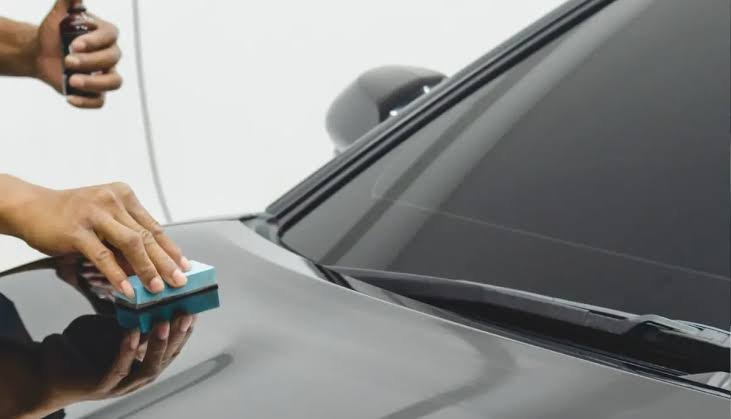
Ceramic coating is a bonded surface treatment that can improve gloss, encourage water beading, and make routine washing easier. It is not a substitute for careful driving, regular washing, or paint protection film. A coating does not make paint immune to scratches, deep scuffs, or rock impacts. Many owners combine the two approaches by applying film to impact areas and coating the remaining painted surfaces.
Preparation is just as important as the product. Decontamination, paint correction, and proper curing help prevent existing swirl marks, stains, or embedded debris from being locked beneath the finished surface. UV protection can also vary between vehicle windows and positions, so measured film performance is more useful than assuming every pane of factory glass performs the same way.
Use Detailing for Maintenance
Detailing is a preservation tool, not just an occasional cosmetic service. Regular exterior care can remove pollen, brake dust, tree residue, and road film before they become harder to address. Interior detailing helps manage spills, pet hair, leather wear, and neglected trim. It also gives owners a chance to notice worn seals, paint defects, or early corrosion around chips and hardware.
Useful Detailing Services
- Exterior detailing: Washing, decontamination, polishing, and surface protection.
- Interior detailing: Deep vacuuming, stain treatment, leather care, and touchpoint cleaning.
- Paint correction: Reducing selected swirl marks and light paint defects.
- Reconditioning: Improving the appearance of an older or neglected vehicle before resale or continued use.
Consider Audio and Security Features
Audio upgrades should begin with listening habits. Replacing worn speakers may be enough for a commuter, while a more complete system may require an amplifier, improved wiring, sound-deadening material, and careful integration with factory screens and steering-wheel controls. Avoid selecting equipment based only on peak power ratings.
Security upgrades also have distinct roles. An alarm provides an audible warning, an immobilizer can help prevent unauthorized operation, and tracking equipment may aid recovery. Confirm compatibility before installation, particularly on newer vehicles with advanced electronics, factory remote-start functions, and driver-assistance systems.
Match Wheels and Tires to Local Driving
Wheels can transform appearance, but tires have a greater effect on wet-weather traction, road noise, ride quality, and braking confidence. Larger wheels often mean shorter tire sidewalls, which can create a firmer ride and make pothole impacts more noticeable. Before purchasing, verify fitment, load rating, speed rating, and clear. At the same time, nd availability of replacement tires.
Prioritize Installation Quality
Even premium materials can disappoint when installation is rushed. Look for clean edges on film, even panel coverage, protected wiring, proper wheel balancing, and written aftercare guidance. Ask what preparation is included, which areas are covered, how long curing takes, and whether a warranty applies to the material and labor.
Create a Sensible Upgrade Budget
Handle projects in stages. Start with visibility, legal compliance, tire condition, and basic security. Next, consider heat control, paint preservation, detailing, and audio comfort. Appearance-only changes, such as graphics or oversized wheels, can come later. Compare the total ownership cost, including maintenance, removal, repairs, replacement parts, and potential recalibration.
Final Vehicle Upgrade Checklist
- Define the main purpose of every upgrade.
- Check applicable North Carolina requirements.
- Confirm compatibility with the vehicle and factory features.
- Balance comfort, protection, appearance, and maintenance needs.
- Review the installer’s preparation process and aftercare instructions.
- Keep receipts, warranty details, product information, and photographs.
For Charlotte drivers, the strongest styling plan is one that fits local weather, road conditions, parking habits, and everyday needs. Thoughtful upgrades can make a vehicle easier to enjoy, easier to maintain, and better prepared for years of driving across North Carolina.